Pre-revolutionary
(~1720 – 1800 CE)
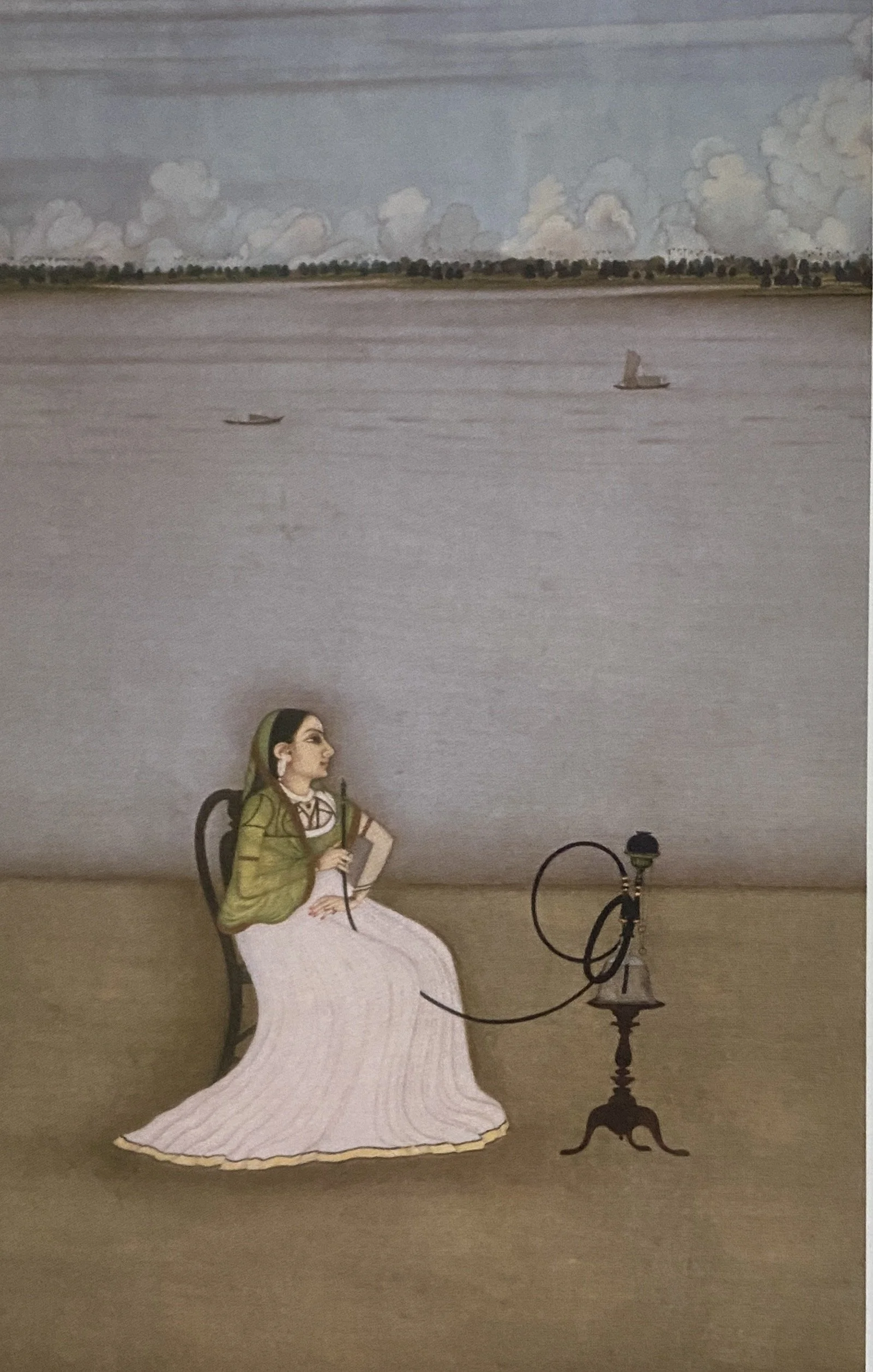
Rococo’s ornate, pastel aesthetic (Fragonard, Boucher) epitomizes pre-revolutionary French aristocratic taste, with Neoclassicism following as Enlightenment ideals sharpened into revolutionary politics. But European fashion of this era depended materially on global trade: Indian cotton and chintz, Chinese silk, and dyes and textiles produced by enslaved labor across the Caribbean and the Americas.
The Haitian Revolution, beginning in 1791, became the only successful large-scale slave revolt to found a state — led by formerly enslaved Africans against the same imperial system that clothed European courts. This period focuses on fashion and textile trade as its lens: what people wore, and who grew, wove, and dyed it, becomes a way to read power, resistance, and the revolutions the era produced, including Haiti’s.
Historical Cultures: Saint-Domingue, Ashanti, Edo Japan, and Spanish colonial California.
Contemporary Cultures: Haitian-American, West African, and Mexican/Indigenous LA.