Empires
(~1600 – 1720 CE)
European Baroque art (Caravaggio, Rubens, Rembrandt) reflected the wealth of absolutist courts and the Counter-Reformation church.
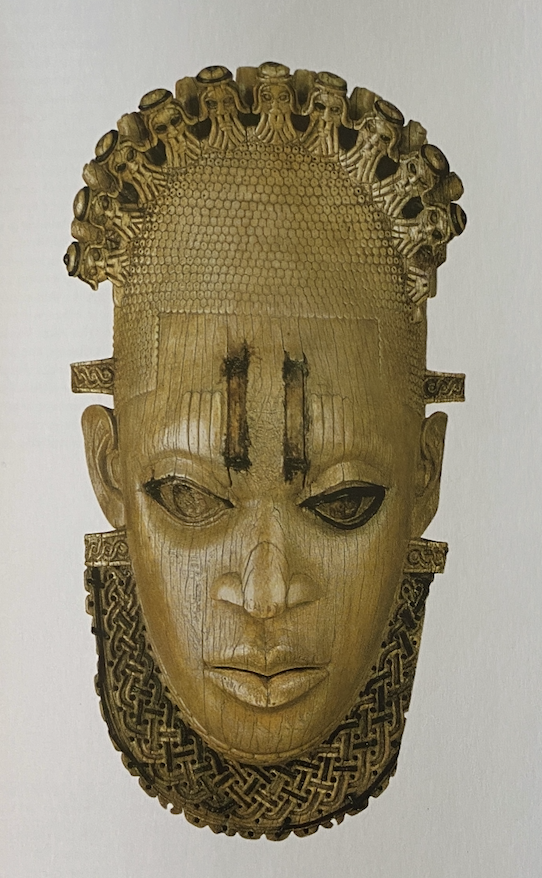
In the same period, the transatlantic slave trade intensified sharply, forcibly transporting an estimated 1.8 million Africans across the Atlantic during the 17th century alone. West and Central African kingdoms — Kongo, Benin, and Dahomey — were sophisticated states engaged in that trade as well as in their own art, diplomacy, and warfare.
Elsewhere, Qing China began (1644), Edo Japan flourished, and the Ashanti and Oyo empires rose in West Africa alongside colonial Mexico’s early Spanish-Indigenous culture.
Historical Cultures: Qing China, Edo Japan, Kongo/Benin/Dahomey, Colonial Mexico, Ashanti/Oyo.
Contemporary Cultures: Black, Mexican, East Asian, and South Asian LA.
Research completed to date traces the American side of this chapter’s throughline: around 1619, enslaved Africans brought rice-cultivation knowledge, okra, black-eyed peas, and West African cooking technique that fused with Indigenous and European ingredients to found Southern cuisine.
In the 1780s–90s, James Hemings, who was enslaved by Thomas Jefferson and trained in Paris, became America’s first French-trained chef and recorded the country’s first macaroni recipe. In the 1860s, Elizabeth Keckley, formerly enslaved, became Mary Todd Lincoln’s personal dressmaker and published her memoir in 1868.
The chapter’s African-kingdom half — the court dress, textiles, and cuisine of Kongo, Benin, and Dahomey specifically — is not yet represented in the archive and will be a main target for dedicated fellow research.