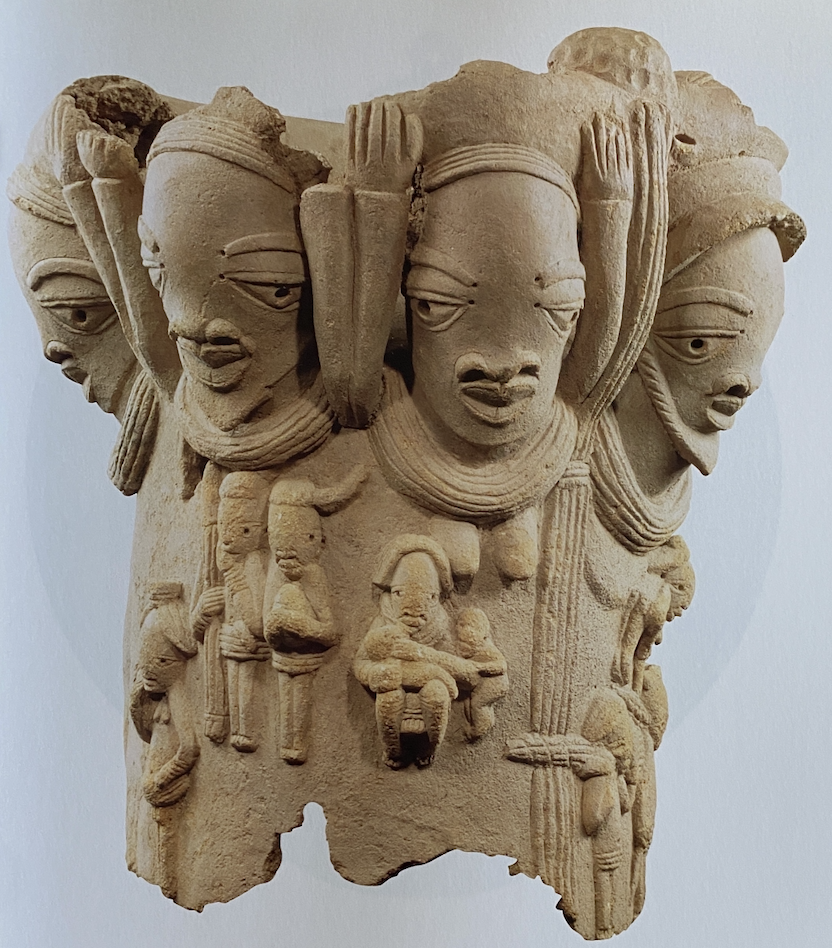
Antiquity Across Continents
(~27 BCE – 476 CE)
Augustus became Rome’s first emperor in 27 BCE, and the two centuries of relative stability that followed — the Pax Romana — are conventionally treated as antiquity’s high-water mark.
But Rome was one hub among several comparable powers operating at the same time: Han Dynasty China (206 BCE–220 CE) matched Rome in scale, bureaucracy, and infrastructure, and the two empires were loosely linked by the Silk Road through Parthian and Kushan intermediaries.
The Maurya and Gupta empires flourished in India, the kingdom of Aksum in the Horn of Africa minted its own currency and traded with Rome and India directly, and early Maya cities were rising in Mesoamerica.
In a wider network of trade in spices, wine, grain, and artistic motifs, this period encompasses cultures from ancient Mesoamerica and Han China through to contemporary Los Angeles.
Historical Cultures: Han China, Gupta India, Maya, Aksumite Ethiopia, Sasanian Persia.
Contemporary Cultures: Chinese, South Asian, Mexican/Indigenous, Ethiopian, and Persian LA.