The Exchange
(~1400 – 1600 CE)
The European Renaissance — Florence, da Vinci, Michelangelo — is the default frame for this period. But Ming China’s Admiral Zheng led seven treasure-fleet voyages (1405–1433) reaching East Africa decades before Portugal rounded the continent.
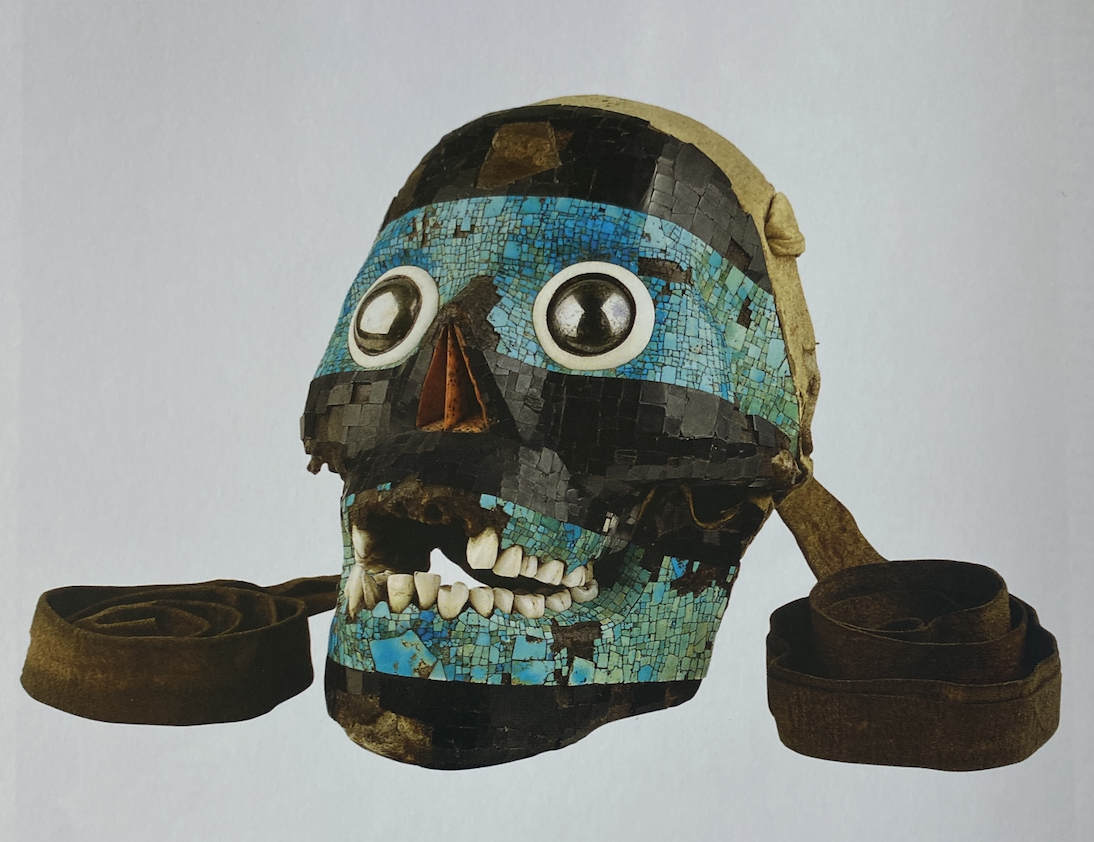
The Aztec and Inca empires were at their territorial and artistic height, the Ottomans took Constantinople in 1453; and the Songhai Empire controlled the Niger River trade and Timbuktu’s scholarly community.
Then, in 1492, Columbus’ voyage set off the Columbian Exchange: the transfer of crops - potatoes, maize, tomatoes, and cacao to Europe - with wheat, horses, and sugar to the Americas, reshaped diets and demographics on every continent. And then, there were the more nefarious exchanges of disease and people across the Atlantic
Given the venture’s food-and-fashion throughline, this chapter is a natural centerpiece — tracing how chocolate, chili, tomato, and potato transformed Old World cuisine, alongside the exchange’s catastrophic human costs.
Historical cultures: Ming China, Mughal India, the Ottoman Empire, Joseon Korea, colonial Mexico, the Aztec Empire, and the Inca Empire.
Contemporary cultures: every LA community reshaped after 1492 — including Mexican and Peruvian/Bolivian LA specifically for the Aztec/Inca throughline.